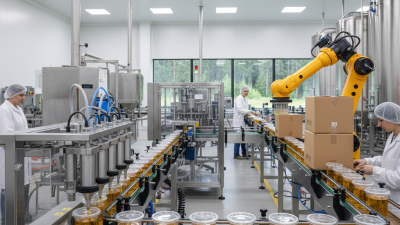
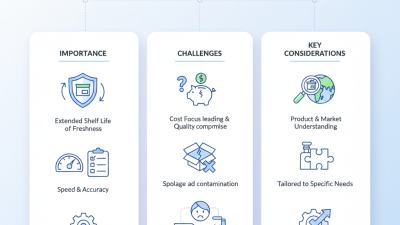
How to Choose the Best Packaging Equipment for Food?
Selecting the right packaging equipment for food is critical in today’s market. With the food industry projected to reach $4.5 trillion by 2025, packaging plays a crucial role in ensuring product safety and freshness. Equipment choice can greatly affect shelf life, branding, and consumer perception.
According to a report by Grand View Research, the global food packaging market is expected to grow at a CAGR of 4.5% from 2021 to 2028. As consumers become more aware of packaging sustainability, manufacturers must adapt. Investing in efficient packaging equipment for food can reduce waste and optimize production processes. Features like technology integration and user-friendliness also matter as they can enhance productivity.
Yet, purchasing the best packaging equipment for food is not straightforward. Budget constraints and specific industry needs complicate the decision. Many small businesses face challenges in keeping up with technology and regulatory standards. It’s essential for manufacturers to evaluate their options carefully, balancing cost with performance to ensure quality and compliance. By doing so, they can meet consumer demands effectively, while securing a competitive edge in a growing market.
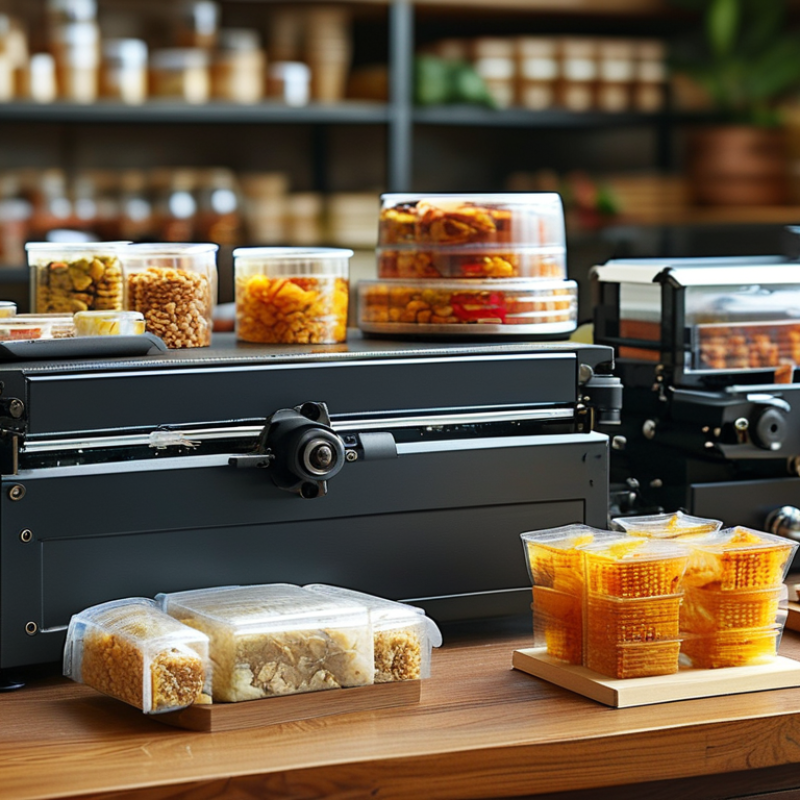
Understanding the Importance of Packaging Equipment in Food Industry
Packaging equipment plays a crucial role in the food industry. It ensures food safety, extends shelf life, and enhances presentation. Proper packaging prevents contamination and spoilage, which are vital in maintaining product quality. Different food types require specific packaging solutions. A fresh salad needs different handling than a frozen meal.
Choosing the right equipment involves understanding these needs. For instance, vacuum sealing helps keep perishables fresh longer. However, not all machines achieve the same results. Some may seal too loosely, allowing air in. This could compromise the food’s freshness. Others might be too complicated, causing delays in a fast-paced environment.
Investing in quality packaging machinery can significantly impact a business’s bottom line. Yet, operators must be well-trained. Poorly executed packaging can lead to waste and reduced customer satisfaction. Regular maintenance of the equipment is also essential to ensure consistent performance. Overall, careful consideration is necessary when selecting packaging solutions for food items.
Identifying Different Types of Packaging Equipment Available for Food
When selecting packaging equipment for food, understanding the available types is crucial. The food packaging industry has grown significantly, with the global market estimated to reach over $400 billion by 2025. This growth highlights the diverse packaging solutions available today.
Packaging equipment can be broadly categorized into several types. Primary packaging refers to the direct contact with food products, such as pouches or wrappers. Secondary packaging focuses on bulk handling, like cartons or crates. Tertiary packaging is for shipping, ensuring the product's safe transport and storage. These categories each serve different purposes and standards, impacting food safety and shelf life.
Investing in the right equipment can be challenging. The rise of automation has led to advanced machines like vertical form-fill-seal and flow wrappers. They enhance efficiency but require thorough understanding and maintenance. Not all businesses can afford high-end equipment. Therefore, assessing operational needs is essential. Using industry reports, companies can evaluate cost-effectiveness and find a balance between quality and investment.
Evaluating Key Features and Specifications of Packaging Machines
When evaluating packaging machines for food, attention to detail is crucial. Look for equipment that meets your production needs. Assess the speed and capacity against your output requirements. High-speed machines can handle large volumes, but may require more maintenance. Balance efficiency with durability to avoid frequent downtimes.
Consider the machine's versatility. Can it handle different types of packaging? Being able to switch between bagging, sealing, or bottling can save time and resources. Also, examine the ease of operation. User-friendly controls are vital for minimizing training and maximizing productivity. A complex interface may lead to errors in operation.
Hygiene features should never be overlooked. Machines should have easy-to-clean surfaces and materials that comply with health regulations. Look for options that offer clear cleaning guidelines. Remember to think about the long-term support offered by manufacturers. Good customer service can be invaluable when issues arise. Make your choice carefully; it can significantly impact your operations.
Considering Budget and Cost-Effectiveness in Packaging Equipment Choice
When selecting packaging equipment for food, budget plays a critical role. It's essential to evaluate both initial costs and long-term savings. For instance, higher upfront costs might lead to better efficiency and durability. This could reduce maintenance expenses and downtime. Conversely, cheaper equipment may result in frequent issues, leading to unexpected expenses.
Cost-effectiveness should also consider energy consumption. Some machines use more power than others. A piece of equipment that is energy-efficient can save significant operational costs over time. Look for equipment that offers good warranties and reliable support. This can prevent additional costs from repairs or replacements down the line.
Moreover, it is vital to match the equipment's capabilities with your production needs. Overestimating capacity can lead to wasted resources. On the other hand, underestimating may cause delivery delays. Seek feedback from operators who use the equipment daily. Their insights can highlight practical challenges and advantages that numbers alone cannot capture. Balancing budget, efficiency, and real-world performance is essential in the decision-making process.
How to Choose the Best Packaging Equipment for Food?
| Equipment Type |
Average Cost ($) |
Maintenance Cost ($/year) |
Output (Units/hour) |
Energy Consumption (kWh) |
| Vertical Form Fill Seal (VFFS) |
15,000 |
800 |
300 |
2 |
| Horizontal Form Fill Seal (HFFS) |
20,000 |
1,200 |
500 |
3 |
| Shrink Wrap Machine |
10,000 |
500 |
200 |
1.5 |
| Automatic Carton Sealer |
25,000 |
1,000 |
400 |
2.5 |
| Pallet Wrapping Machine |
8,000 |
300 |
150 |
1 |
Assessing Compliance with Safety Standards and Regulations in Food Packaging
When selecting packaging equipment for food, it’s crucial to prioritize compliance with safety standards. Current regulations, such as the FDA's Food Safety Modernization Act (FSMA), emphasize the need for packaging that ensures food safety throughout its lifecycle. A 2022 report indicated that 78% of food recalls were due to labeling and packaging violations. Choosing equipment that adheres to these regulations minimizes risks to consumers and producers alike.
One effective strategy is to conduct a thorough risk assessment of all materials used in the packaging process. Ensure that materials meet regulatory requirements for food contact. It’s advisable to verify that the equipment can handle the specific conditions of your product, such as temperature and humidity. This information can usually be found in manufacturer's specifications.
Quality assurance is paramount. It's essential to perform routine inspections to verify compliance. Regularly revisiting your equipment’s capabilities helps identify areas for improvement. An underperforming machine could introduce contaminants or fail to maintain food integrity. Sometimes, even high-end equipment can fall short in certain situations, underscoring the importance of continuous monitoring and evaluation.