Why Do Meat Packaging Machines Matter in the Food Industry?
In the food industry, meat packaging machines play a crucial role in maintaining quality and safety. According to a recent report by the Food Packaging Association, improper packaging can lead to a 30% increase in spoilage rates. These machines are essential for ensuring that meat products remain fresh and free from contamination.
Expert Dr. Sarah Mitchell, a leading figure in food processing technology, emphasizes this point: "Effective meat packaging machines are vital for product sustainability." Her insights highlight the need for advanced technology in this sector. Without modern meat packaging solutions, we risk losing not just profits but also consumer trust.
Despite advancements, challenges remain. Many facilities still use outdated systems, risking efficiency and safety. As industry demands grow, the evolution of meat packaging machines must keep pace. Innovations and reflective practices are necessary to avoid pitfalls. Balancing speed and safety is an ongoing struggle that defines the future of meat packaging.
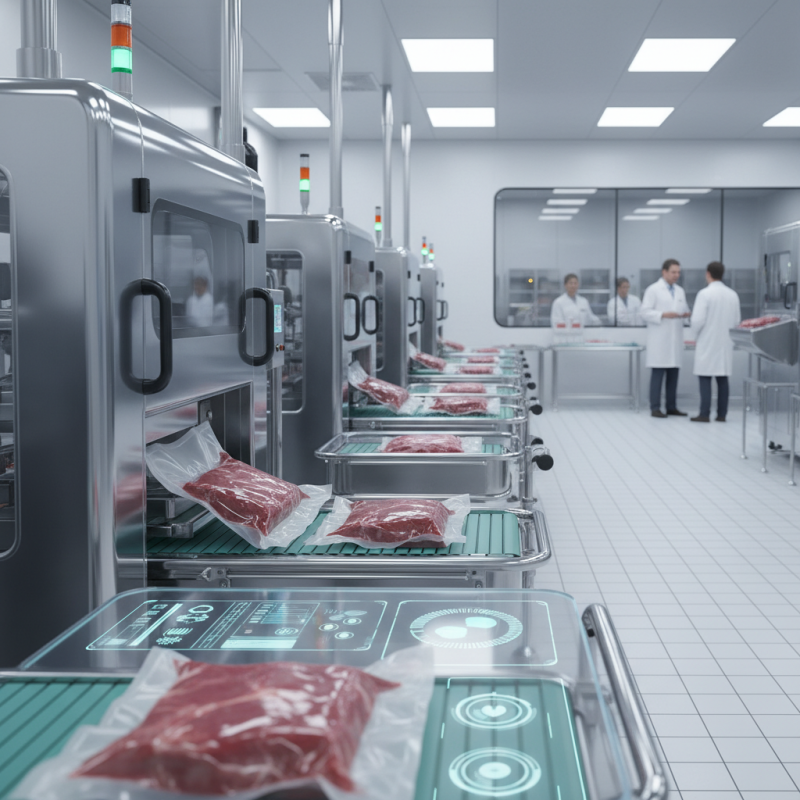
Importance of Meat Packaging Machines in Food Safety Standards
Meat packaging machines play a crucial role in maintaining food safety standards. According to the United States Department of Agriculture (USDA), proper packaging can reduce the risk of contamination. Packaging helps keep meats fresh and safe. It prevents the growth of harmful bacteria. Studies show that around 48 million Americans get sick from foodborne illnesses every year. Many cases involve improperly packaged meat.
The technology behind these machines is evolving rapidly. For instance, vacuum packaging can extend shelf life by up to 5 times. This not only reduces waste but also enhances freshness. However, not all meat packaging systems are created equal. Some may not meet stringent safety standards, leading to potential health risks.
Improperly sealed packages can allow air back in. This can lead to spoilage and contamination. A report by the Food Safety and Inspection Service (FSIS) highlights that nearly 10% of meat products tested are incorrectly labeled or packed. This raises concerns about consumer safety and trust. As the industry grows, constant improvements in packaging technology are essential for meeting safety regulations.
Technological Advancements in Meat Packaging Solutions
In the food industry, meat packaging machines have evolved significantly. These advances enhance efficiency and ensure safety. New technologies help maintain freshness while also extending shelf life. Packaging machines now utilize vacuum and modified atmosphere technologies. This reduces spoilage and improves overall quality.
One tip for businesses is to evaluate the types of packaging materials used. Each material has its benefits and limits. Choose based on the meat type and desired shelf life. It's essential to consider consumer preferences as well.
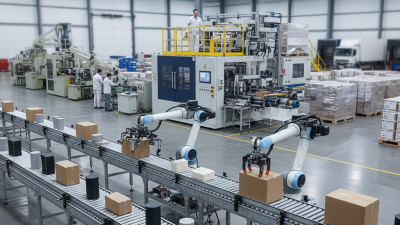
Another crucial aspect is the speed of packaging machines. High-speed machines can process larger volumes. This is vital, especially during peak seasons. However, there is a need for balance between speed and quality. Rushing can lead to errors, which can affect food safety.
Investing in training for staff is also essential. Proper training ensures that machines are operated efficiently. Regular maintenance checks cannot be ignored either. This keeps equipment running smoothly and helps avoid costly downtimes. Each of these factors contributes to a safer food supply chain.
Impact of Packaging on Shelf Life and Quality of Meat Products
Meat packaging plays a crucial role in maintaining the quality and safety of meat products. According to a report by the American Meat Institute, properly packaged meat can extend shelf life by 30% to 50%. This extension helps prevent spoilage and waste, which is a significant issue in the food industry. When meat is packaged improperly, it may develop an off odor. Color changes can also occur, signaling potential spoilage.
Packaging technologies, such as vacuum packing and modified atmosphere packaging, have improved greatly. These methods reduce oxygen exposure, slowing down bacterial growth and oxidative spoilage. A study published in the Journal of Food Science found that vacuum-sealed meat stays fresh for a week longer than non-vacuumed meat. However, not all packaging materials are created equal. Some are less effective and can even cause chemical reactions that impact the meat's flavor.
Sustainability is another area where meat packaging often falls short. Many packaging materials are not biodegradable. As a result, the environmental impact of packaging waste is overlooked in discussions of meat quality. Reflecting on these aspects is essential for both producers and consumers. The balance of quality, safety, and sustainability in meat packaging needs constant attention.
Consumer Perception and Marketing in Meat Packaging Design
In today's food industry, meat packaging design plays a crucial role in consumer perception. Research indicates that 72% of consumers consider packaging before purchasing meat products. This statistic highlights the importance of a strong visual appeal. Eye-catching designs can attract buyers and convey vital information about the product. When consumers see well-designed packaging, they often associate it with higher quality.
However, it’s essential to address potential flaws in packaging. Many consumers express concerns about plastic use in meat packaging. A report revealed that 58% of shoppers prefer eco-friendly materials. This presents a challenge for brands to balance aesthetics with sustainability. Innovative designs might attract consumers, yet they could also provoke negative perceptions if they are not environmentally friendly.
Furthermore, labeling is another critical aspect. Clear information about ingredients and nutritional content is paramount. 65% of shoppers stated they would avoid products with unclear labels. In contrast, simple and transparent labeling can foster trust. Hence, while designing the packaging, brands must consider both the visual and informational elements. Striking this balance can ultimately lead to enhanced consumer satisfaction and loyalty.
Impact of Meat Packaging Machines on Consumer Perception