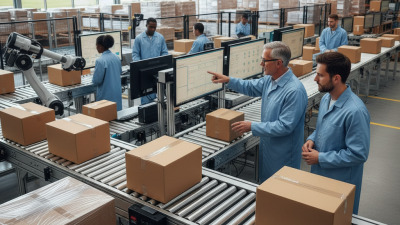
What is Packaging Equipment for Food and How Does It Work?
Packaging equipment for food plays a crucial role in the food industry. It ensures that products are safely packaged, preserved, and presented. Effective packaging not only protects food but also enhances its market appeal. There are various types of packaging equipment for food. These include fillers, sealers, and labeling machines. Each piece of equipment has a specific purpose, contributing to efficiency in food processing.
The operation of packaging equipment for food involves intricate mechanics. For example, a filling machine will dispense precise amounts of food into containers. This reduces waste and maintains standards. However, not all systems are foolproof. Operators must regularly check for malfunctions. Even the best equipment can have flaws. It is essential to stay vigilant.
In a world driven by consumer demands, packaging design matters. A well-packaged product attracts customers and stands out. Yet, the environmental impact of packaging is a growing concern. Many companies struggle to balance efficiency and sustainability. This ongoing challenge calls for innovative solutions in packaging equipment for food. It’s worthwhile to reflect on how these choices affect our planet.
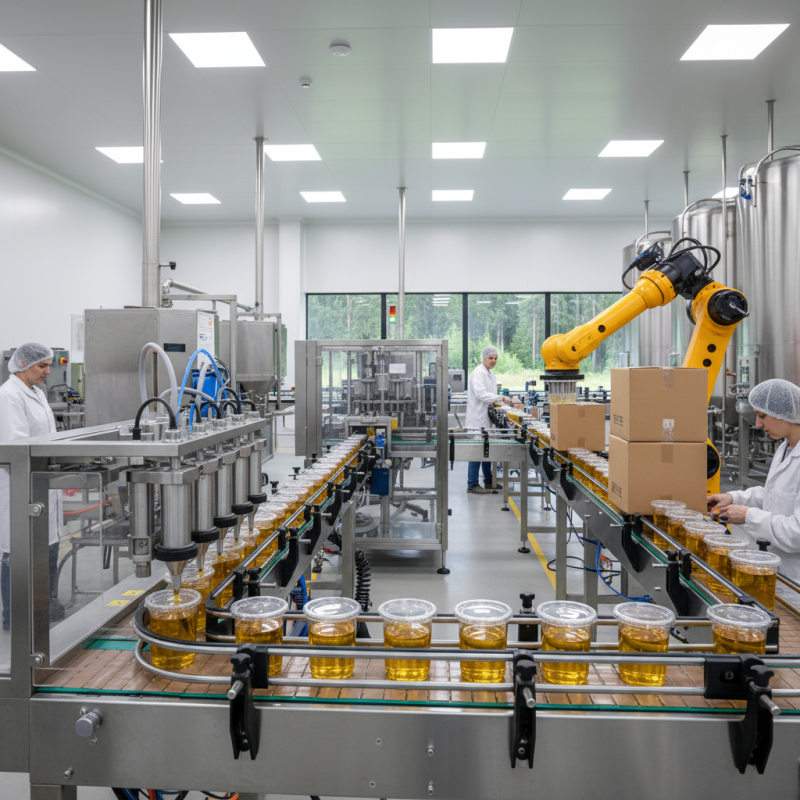
Understanding Food Packaging Equipment: An Overview
Food packaging equipment plays a vital role in the food industry. It helps preserve freshness and ensures safety during transport. Common types include fillers, sealers, and labeling machines. Each piece of equipment serves a specific purpose, making the packaging process efficient.
Tips: Always check the machine's compatibility with your food type. Standard equipment may not suit every product. Investing in customized solutions can prevent waste and save money.
The technology behind these machines is essential. Automated systems speed up production, while manual setups can be more flexible. However, relying too much on automation leaves room for errors. Sometimes, human oversight is necessary to ensure quality.
Tips: Regular maintenance of equipment is crucial. Neglected machines may lead to unforeseen breakdowns. Keep a schedule for servicing to avoid interruptions.
Selecting the right equipment requires understanding your needs. Consider factors like production volume and packaging types. Research and plan before making investments. It's easy to overlook details, so take time to reflect on your choices.
Types of Food Packaging Equipment and Their Functions
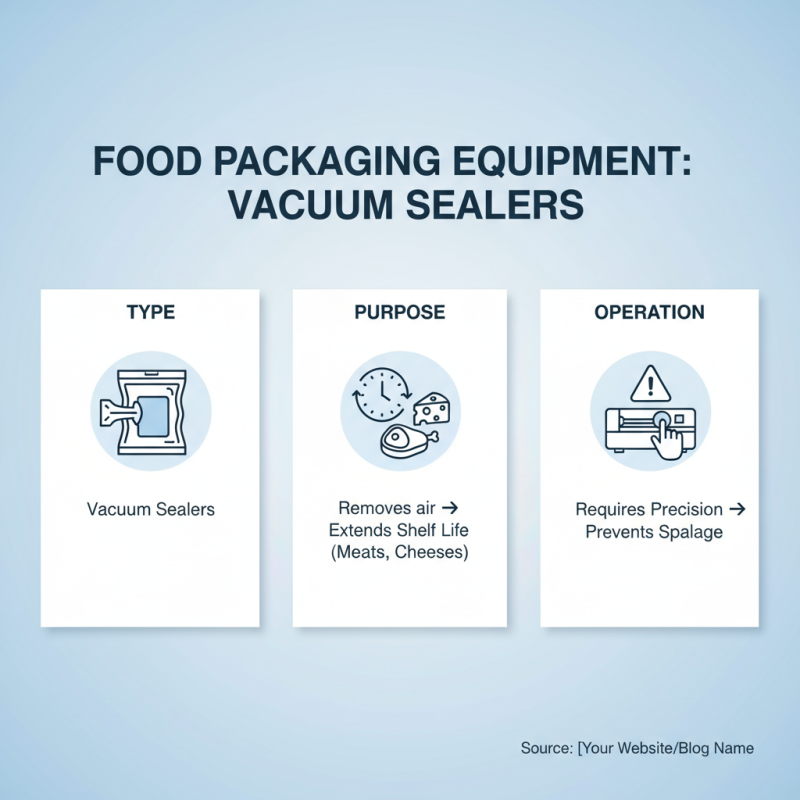
Food packaging equipment comes in various types, each serving a unique purpose. One of the most common types is vacuum sealers. These machines remove air from packaging, which helps extend shelf life. Many food manufacturers favor them for storing meats and cheeses. However, using vacuum sealers requires precise operation. Improper sealing can lead to spoilage.
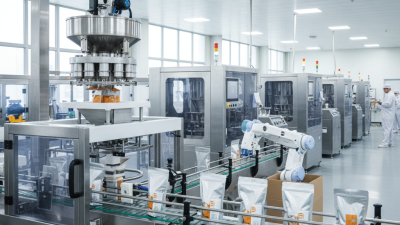
Another essential type is the filling machine. It accurately measures and dispenses food products into containers. These machines work well for liquids, powders, and solids. They can be highly automated, saving time and reducing human error. Yet, they may need regular maintenance to ensure accuracy.
Labeling machines are also crucial in food packaging. They apply labels to products, ensuring that information is clear. This helps consumers make informed choices. Still, labels can sometimes be applied incorrectly. This can lead to confusion and lost sales opportunities. Proper training for staff operating these machines is vital for success.
The Working Mechanism of Food Packaging Machinery
Food packaging machinery plays a vital role in the food industry. It ensures products remain fresh and safe. Different machines serve distinct purposes. Some machines fill food into packages, while others seal them tightly. This keeps contaminants out and preserves flavor. Technology has advanced, but challenges remain.
One common mechanism is the use of conveyor belts. These belts transport products through various stages, from filling to sealing. It sounds efficient, yet machinery can malfunction. This leads to wasted materials and production delays. Regular maintenance is crucial, but not always prioritized.
Additionally, packaging machines often require skilled operators. Mistakes can happen if operators lack proper training. Sometimes manual adjustments are necessary. This can cause inconsistencies in packaging. Every detail matters, as improper packaging can affect shelf life. It's a reminder that even with advanced technology, human error is still a significant factor.
Benefits of Using Packaging Equipment in Food Industry
The food industry relies heavily on packaging equipment. It not only preserves food quality but also enhances shelf life. According to a recent report by Smithers Pira, the global food packaging market is projected to reach $500 billion by 2027. This growth highlights the importance of efficient packaging solutions.
Using packaging equipment offers multiple advantages. It helps reduce food waste significantly. In fact, improper packaging can lead to a spoilage rate of 10% or more. Automated systems increase efficiency and lower labor costs. This can streamline operations and enhance the overall quality of food products. Yet, there can be challenges. For instance, not all companies can invest in advanced machinery, which may create disparities in productivity.
Moreover, consumer preferences are shifting. More people demand eco-friendly packaging options. While most companies are adapting, some are lagging behind. Environmental concerns must be balanced with cost-effectiveness. This can lead to a complex decision-making process. Therefore, the journey toward optimal food packaging can be uneven, filled with both innovations and hurdles.
Food Packaging Equipment Usage Statistics
Maintenance and Safety Considerations for Food Packaging Equipment
Maintaining food packaging equipment is crucial for ensuring safety and efficiency. Regular inspections can reveal wear and tear. Parts may need replacing over time. Proper lubrication helps prevent rust. Employees should be trained in these maintenance tasks. A maintenance log can track these activities.
Safety is another critical aspect of food packaging. Employees must wear protective equipment. This includes gloves and goggles. Keeping the workspace clean can reduce accidents. Machines should have safeguards to prevent injuries. Training in emergency procedures is also vital.
Ignoring maintenance can lead to costly downtime. Equipment breakdowns often disrupt production. Employees might cut corners under pressure. This can result in safety risks. Regular audits can help identify potential problems early. Encouraging a culture of safety is essential.