Top Trends in the Packaging Equipment Market 2026?
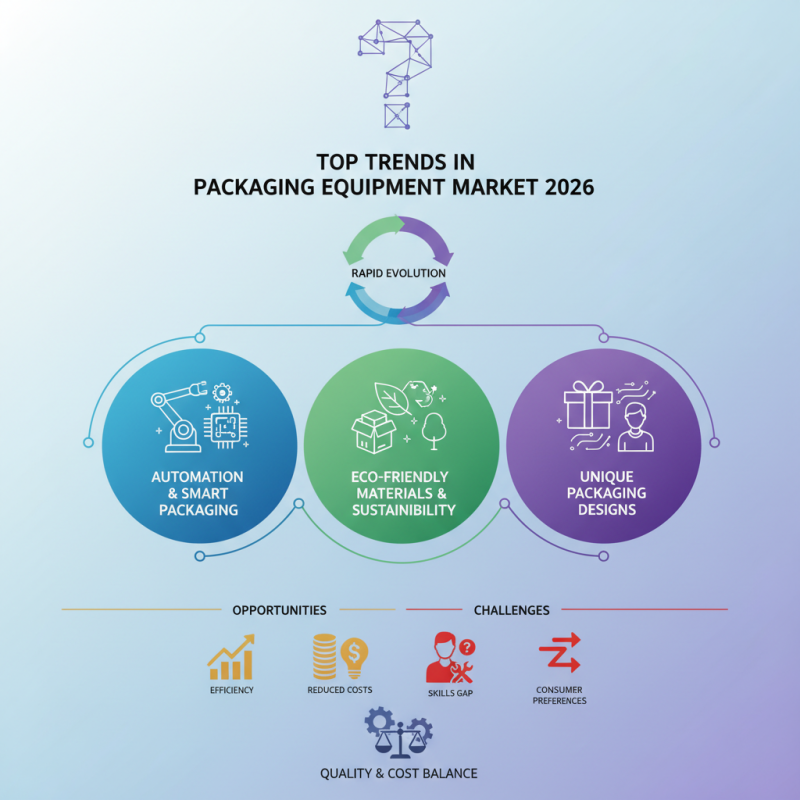
The packaging equipment market is evolving rapidly. Innovations are transforming how products are packaged. Companies are adopting new technologies to stay competitive.
In 2026, trends like automation and smart packaging will dominate. Businesses seek ways to enhance efficiency and reduce costs. Eco-friendly materials gain popularity as sustainability becomes crucial. Brands aim to attract consumers with unique packaging designs.
However, challenges remain. Investment in advanced machinery can be high. The skills gap in technical knowledge poses issues. Companies must adapt quickly to shifting consumer preferences. Balancing quality and cost is a complex task. The future of the packaging equipment market is full of potential, with obstacles that require careful navigation.
Current Landscape of the Packaging Equipment Market in 2026
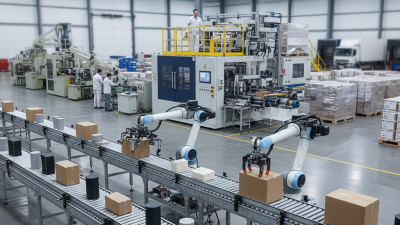
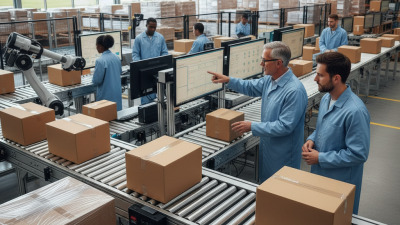
The packaging equipment market in 2026 is evolving rapidly. Automation is becoming a core trend. Many manufacturers are integrating advanced robotics to optimize production lines. This shift can enhance efficiency, but it also raises concerns about job displacement. Workers may need new skills to adapt to these changes.
Sustainability is a hot topic as well. Eco-friendly materials are increasingly in demand. Recycling initiatives are gaining traction, prompting companies to rethink their packaging strategies. However, the cost of sustainable solutions can be prohibitive. Some businesses may struggle to balance environmental goals with budget constraints.
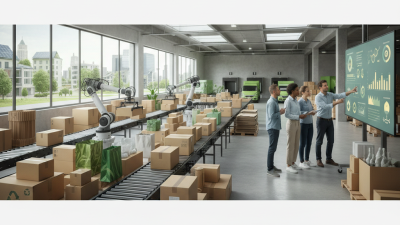
Emerging technologies are reshaping the market landscape. Smart packaging solutions are on the rise. Sensors and IoT devices can monitor freshness and track supply chains. While these technologies offer great potential, they come with challenges. Not every company is ready for such a digital transformation.
Top Trends in the Packaging Equipment Market 2026
| Trend |
Description |
Impact Level |
Expected Growth (%) |
| Automation |
Increased use of automated machinery |
High |
25% |
| Sustainability |
Focus on eco-friendly materials |
Medium |
20% |
| Smart Packaging |
Integration of IoT and sensors |
High |
30% |
| Customization |
Increased demand for tailored solutions |
Medium |
15% |
| Industry 4.0 |
Adoption of smart technologies in production |
High |
28% |
Emerging Technologies Shaping the Future of Packaging Equipment
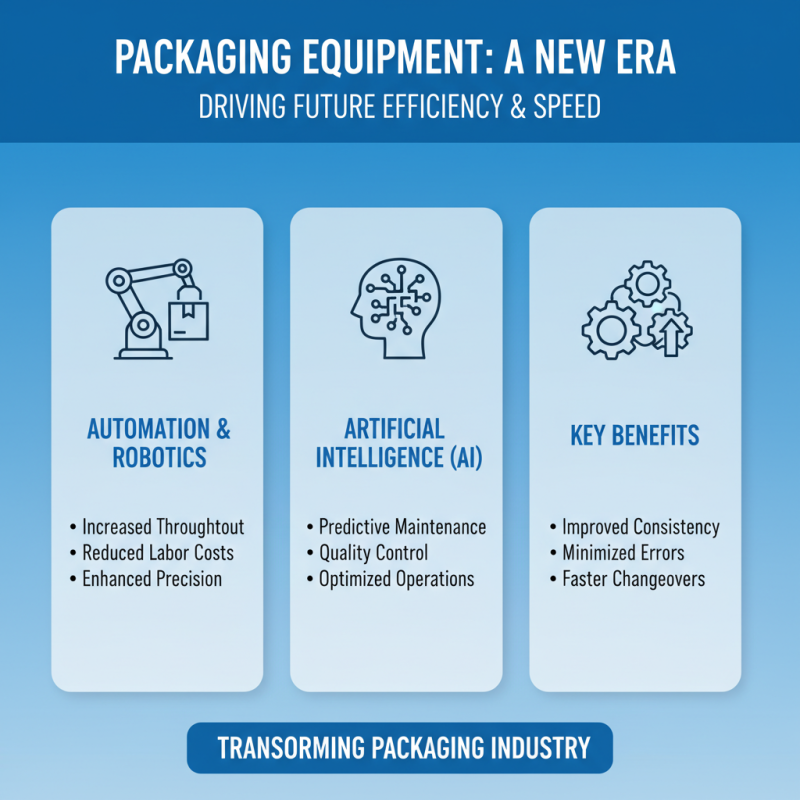
The packaging equipment market is on the brink of transformation. Emerging technologies like automation, robotics, and AI are shaping its future. These innovations promise efficiency and speed. They reduce human error and improve consistency.
One notable trend is smart packaging. It uses sensors and QR codes to enhance user interaction. Consumers can track freshness or access product information easily. However, the integration of these technologies is not without challenges. Compatibility issues may arise during implementation. The need for training staff also cannot be overlooked.
Sustainability is another critical factor. Eco-friendly materials are gaining traction. This shift reflects consumer demand for greener options. Yet, cost-effectiveness remains a concern for many producers. Balancing sustainability with profitability poses a constant dilemma. As the industry evolves, these emerging technologies will continue to shape the packaging landscape, but reflections on their impact will be crucial.
Sustainability Trends Influencing Packaging Equipment Design
The packaging equipment market is evolving rapidly, driven by sustainability trends. Companies are seeking ways to reduce waste and energy consumption. Designs are shifting towards biodegradable materials and reusable formats. This change leads to innovative machinery that supports green practices.
Tips: Consider how energy-efficient machinery can cut costs. Evaluate materials that can be recycled easily. Sustainable choices often save money in the long run.
Investing in smart technology is another significant trend. Equipment can now track and minimize environmental impact. Automation helps streamline processes and reduce labor. However, some businesses may find the transition challenging. Old equipment might not accommodate new sustainable practices.
Tips: Schedule regular maintenance checks to ensure efficiency. Stay informed about the latest sustainable technologies. Finding the right balance between innovation and practicality can be tough.
Impact of Automation on Packaging Equipment Efficiency
Automation is transforming the packaging equipment market. According to a recent report, around 70% of packaging companies are investing in automation technologies. These investments lead to improved operational efficiency. Automation reduces the time needed for packaging processes. Companies can produce more in less time.
Packaging lines equipped with automation technology can reach speeds of 600 packages per minute. This is a significant increase compared to manual processes. For instance, a fully automated line can operate 24/7, which enhances productivity. However, the upfront cost remains a barrier for many small to mid-sized businesses. Not all companies have access to these resources.
Despite its advantages, automation introduces challenges. Workers may face job displacement due to machine integration. Companies need a plan to reskill staff. There is also a risk of over-reliance on automated systems. Technology failures can halt production. Balancing automation with human oversight is crucial. Companies must navigate these complexities to fully harness the potential of automation in their packaging processes.
Consumer Preferences Driving Innovations in Packaging Solutions
In the packaging equipment market, consumer preferences play a pivotal role in shaping innovations. Today's consumers seek convenience and sustainability. They prefer packaging that is easy to open and ensures product freshness. Moreover, eco-friendly materials are gaining traction. Many consumers are willing to pay more for sustainable packaging options. This trend drives manufacturers to prioritize biodegradable and recyclable materials.
Customization is another key aspect driven by consumer demand. Shoppers increasingly desire unique packaging that reflects their personal style. This has led to innovations in design and materials, resulting in eye-catching and functional packages. Brands need to consider how their packaging resonates with customers emotionally. Aesthetic appeal is now as important as functionality.
However, meeting these preferences comes with challenges. Companies must balance cost-efficiency with innovative design. Not all manufacturers have the resources to invest in new technologies, leading to inconsistent quality in the market. Additionally, sustainability claims must be genuine to avoid consumer backlash. This creates a need for transparency in packaging solutions, as trust is essential in maintaining consumer loyalty. The journey to satisfy consumer taste and ethics continues to evolve.